Search Is Changing — And Your Customers Are Asking the Questions Differently
A few weeks ago, a client in Harare asked me a question that's becoming more common by the month: "Craig, my daughter doesn't Google things anymore — she just asks ChatGPT. So where does that leave my business?" It's a brilliant question, and it cuts right to the heart of one of the biggest shifts in digital marketing I've seen in over a decade. The way people find answers is changing, and a new discipline has emerged to keep businesses visible in this new world: Answer Engine Optimization, or AEO.
If you've spent years building up your search engine optimisation, the good news is that AEO builds on the same foundations rather than replacing them. But there are important differences, and Zimbabwe businesses that understand them now will have a real head start over competitors who are still optimising only for the old-fashioned ten blue links.
Key Takeaways
- AEO is about being the answer, not just appearing in a list of links.
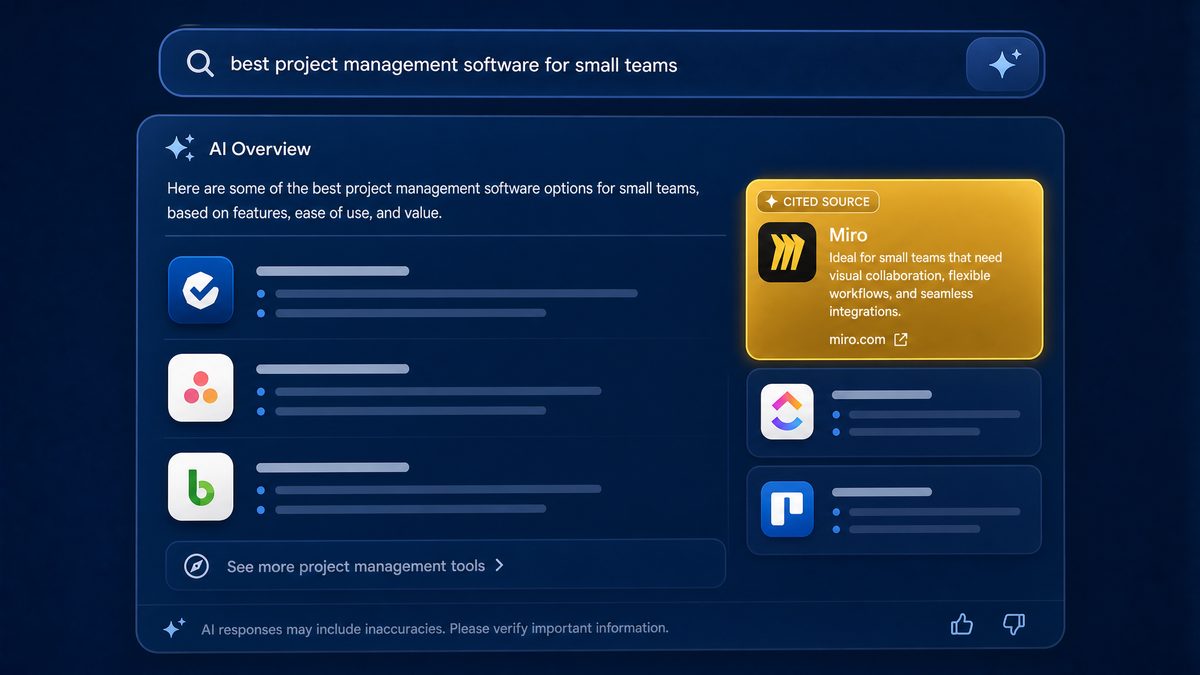
- Answer engines like ChatGPT, Google AI Overviews, Gemini and Perplexity pull together a single response — and you want to be the source they cite.
- Clear, well-structured content that directly answers real questions is the foundation of AEO.
- Your existing SEO work still matters — AEO is an extension of it, not a replacement.
- Zimbabwe businesses that adapt early will capture visibility before their competitors even realise the rules have changed.
What Is Answer Engine Optimization (AEO)?
Answer Engine Optimization is the practice of optimising your content so that AI-powered answer engines select, trust and cite your business when they generate a response to a user's question. Instead of trying to rank a page at position one in a list of results, you're trying to become the actual answer that an AI assistant gives someone.
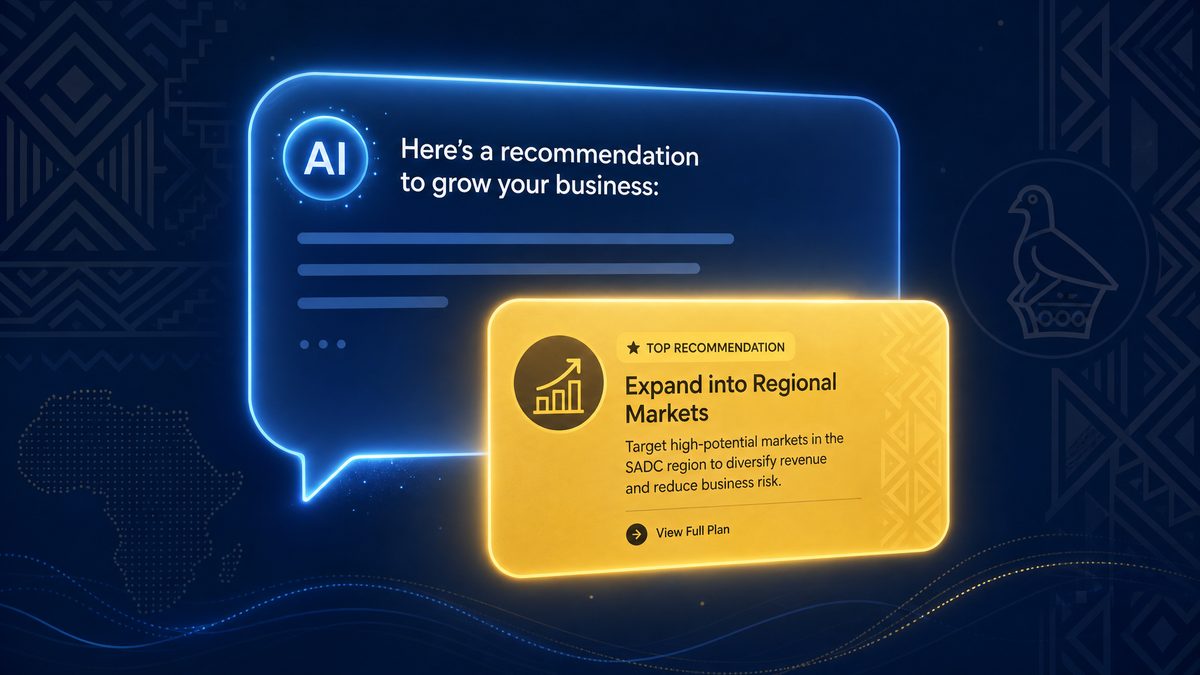
Think about the difference in behaviour. In traditional search, someone types "plumber Bulawayo" and Google shows a list of websites. The user scans, clicks a few, and decides. With an answer engine, someone asks, "Who's a reliable plumber in Bulawayo for a burst geyser?" and the AI responds with a direct recommendation — often naming specific businesses and summarising why they're a good fit. AEO is how you make sure your business is the one being named.
How Answer Engines Are Different From Traditional Search
To optimise for answer engines, you first need to understand how they actually work. They don't just match keywords — they understand intent, read context, and synthesise information from multiple sources into one coherent reply.
They give one answer, not ten options
A traditional search results page is a menu. An answer engine serves you the meal. This means the stakes are higher: there often isn't a "second place" that gets meaningful attention. Either the AI references your business, or your competitor's, or neither.
They prioritise clarity and structure
Answer engines love content that is easy to parse: clear headings, direct answers to specific questions, well-organised lists, and plain language. Rambling, vague or jargon-heavy content gets passed over because the AI can't confidently extract a clean answer from it.
They reward trust signals
AI models are cautious about what they recommend. They lean towards sources that demonstrate genuine expertise, consistency across the web, and credibility. For a Zimbabwe business, that means consistent business information, real reviews, and content that proves you know your field.
| Aspect | Traditional Search | Answer Engines |
|---|---|---|
| What you get | A list of ten links to choose from | One synthesised answer |
| Your goal | Rank near the top of the list | Be the source the answer cites |
| How people decide | They click and compare sites | The AI decides and recommends |
| Content that wins | Keyword-relevant pages | Clear, direct answers it can trust |
| Who gets seen | Several businesses share the page | Often only one business is named |
Why AEO Matters for Zimbabwe Businesses Right Now
You might be thinking this is a problem for the future — something to worry about in a few years. I'd gently push back on that. Adoption of AI assistants is happening fast, and not just among tech enthusiasts. I'm seeing professionals in Harare, business owners in Bulawayo, and even shoppers planning trips to Victoria Falls turn to ChatGPT and Google's AI Overviews to make decisions.
Here's the opportunity: most Zimbabwe businesses haven't even heard of AEO yet, let alone started doing it. That means the playing field is wide open. If you start now, you can establish your business as the trusted, cited source in your industry before your competitors wake up to what's happening. I wrote more about the broader strategy on our AI search optimisation page, which is worth a read once you've finished here.
The Building Blocks of a Strong AEO Strategy
Let me give you the practical foundation. These are the things I focus on when preparing a Zimbabwe business to be visible in answer engines.
1. Answer real questions directly
Start by listing the genuine questions your customers ask. Then write content that answers each one clearly and immediately — ideally in the first sentence or two under a question-style heading. Don't bury the answer three paragraphs down.
2. Structure content so machines can read it
Use descriptive headings, short paragraphs, bullet points and FAQ sections. This isn't just good for AI — it's better for your human readers too. A well-structured page is a gift to both audiences.
3. Strengthen your trust and authority signals
Keep your business name, address and phone number consistent everywhere. Collect genuine reviews. Make sure your local SEO foundations are solid, because answer engines lean heavily on the same signals that power local search.
4. Demonstrate genuine expertise
Generic content doesn't get cited. Specific, experience-based content does. Share real examples, local context and practical detail that proves you actually know your subject. That's exactly what makes a source worth quoting.
How AEO Connects to GEO and the Bigger Picture
You'll also hear the term GEO — Generative Engine Optimization. The two overlap heavily, and people sometimes use them interchangeably. In short, AEO focuses on being the direct answer to a question, while GEO focuses more broadly on how generative AI tools represent and recommend your brand. I'll be unpacking GEO in detail in the next post in this series, so keep an eye on the AI Talk section.
If you want to know where your business currently stands, we built a free AI visibility checker that shows you how AI assistants see your brand today. It's a genuinely useful starting point before you invest in any of this.
Frequently Asked Questions About AEO
Is AEO replacing SEO?
No. AEO builds on SEO rather than replacing it. The technical health, quality content and authority signals that power good SEO are the same foundations that answer engines rely on. Think of AEO as the next layer on top of solid SEO, not a teardown of it.
How long does AEO take to show results?
Like SEO, AEO is a medium-term investment rather than an overnight fix. Some improvements — like restructuring your content to answer questions clearly — can have an effect within weeks, while building the authority that makes AI consistently cite you takes a few months of consistent effort.
Do I need special software for AEO?
Not necessarily. The core of AEO is well-structured, trustworthy, genuinely helpful content combined with strong local signals. Tools can help you monitor and measure, but the foundations are about strategy and content quality, which any committed business can start working on today.
Can a small Zimbabwe business really compete in answer engines?
Absolutely — and arguably small businesses have an advantage right now because so few are doing this. Answer engines care about relevance and trust, not just size. A focused local business that answers questions clearly and builds genuine authority can absolutely be the one ChatGPT or Gemini recommends.
Where to Start
AEO isn't a fad — it's the natural evolution of how people find information, and it's already underway. The businesses that win will be the ones that start adapting now, while the competition is still asleep. Begin by answering your customers' real questions clearly, tightening up your trust signals, and thinking about how an AI would describe your business if someone asked.
If you'd like a hand getting started, this is exactly what I do. Take a look at our AI search optimisation services, run your brand through the AI visibility checker, or simply get in touch and let's have a conversation about where your business stands in this new era of search.