
The Real Cost of Building an App in Zimbabwe
Every month I get the same question from business owners across Bulawayo, Harare and Victoria Falls: "Craig, how much will an app cost me?" My honest answer is always: it depends — but I can give you real numbers, not vague handwaving.
Having built applications for Zimbabwe businesses for over 15 years, I have seen projects range from $500 quick-launch Progressive Web Apps to $50,000+ enterprise platforms. The difference comes down to complexity, technology choice and ongoing maintenance.
- A basic PWA for a Zimbabwe SME costs $500–$3,000 — far cheaper than native apps
- Mid-range business apps run $3,000–$15,000 depending on integrations
- Enterprise custom builds start at $15,000 and scale upward
- Ongoing costs (hosting, updates, security) add 15–25% annually
- Starting with an MVP saves money and reduces risk
Price Bands: What You Get at Each Level
Tier 1: Basic PWA — $500 to $3,000
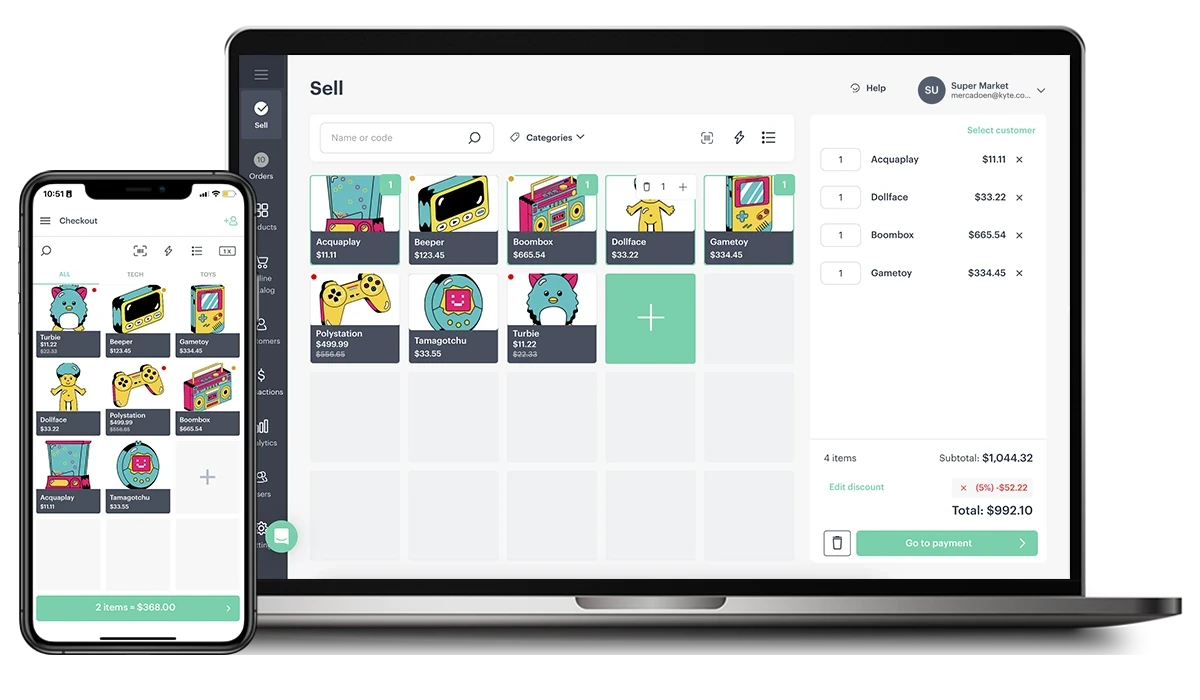
For most Zimbabwe small businesses — restaurants, salons, professional services — a Progressive Web App is the smartest starting point. At this tier you get a fast, mobile-optimised web application that installs on your customer's home screen, works offline and sends push notifications.
A basic PWA includes 3–8 screens, a contact form, service listings, photo gallery and Google Maps integration. It loads in under two seconds even on Zimbabwe's mobile networks, which matters enormously when your users are on limited data.
Tier 2: Business Application — $3,000 to $15,000
When you need user authentication, a database backend, payment integration (EcoCash, Innbucks, or card processing), booking systems or inventory management, you are in mid-range territory. These applications typically take 4–10 weeks to build and include an admin dashboard so you can manage content and orders yourself.
Examples I have built for Zimbabwe clients include a lodge booking system in Victoria Falls, a stock management app for a Bulawayo wholesaler, and a customer loyalty platform for a Harare restaurant chain.
Tier 3: Enterprise / Custom Platform — $15,000+
Multi-role systems with complex business logic, integrations with existing software (accounting systems, ERP), real-time dashboards, AI-powered features and advanced security requirements fall here. These projects involve detailed requirements gathering, prototyping, iterative development and thorough testing.
What Drives the Cost Up (and Down)
Technology Choice Matters Enormously
Building separate native apps for iOS and Android roughly doubles your development cost compared to a cross-platform approach. A PWA or cross-platform solution lets you serve both platforms from a single codebase — that is where the biggest savings come from.
Integrations Add Complexity
Every third-party service you connect — payment gateways, SMS providers, mapping APIs, social media logins — adds development and testing time. Plan your integrations carefully. Start with what you absolutely need and add more later.
Design and User Experience
A professional, well-tested UI/UX design costs more upfront but saves money long-term through higher user adoption and fewer support requests. I have seen businesses waste thousands rebuilding apps because the first version was too confusing for their customers to use.
Hidden Costs Most People Forget
The build cost is just the beginning. Budget for these ongoing expenses:
- Hosting and infrastructure: $10–$200/month depending on scale
- Domain and SSL certificate: $15–$50/year
- Maintenance and updates: 15–25% of the original build cost annually
- Security monitoring: Critical, especially for apps handling payments or personal data
- Content updates: Someone needs to keep the app's information current
The MVP Approach: Start Small, Scale Smart
I always recommend Zimbabwe businesses start with a Minimum Viable Product. Build the core feature that solves your biggest customer pain point, launch it, gather real feedback, then invest in additional features based on what your users actually want — not what you assume they want.
This approach typically saves 40–60% compared to trying to build everything at once, and it gets you to market faster. In Zimbabwe's competitive landscape, being first with a working solution beats being last with a perfect one.
Why Craig Riley? Why CDR?
I build apps specifically for Zimbabwe's market conditions — designed for low bandwidth, intermittent connectivity and load-shedding. I use modern Progressive Web App technology that keeps costs manageable while delivering a native-app experience. Every project includes SEO and performance optimisation from day one, because an app nobody can find is an app nobody uses.
Ready to discuss your project? Get in touch for a free consultation and honest quote — no surprises, no hidden fees.
Frequently Asked Questions
Is a PWA cheaper than a native app in Zimbabwe?
Yes — significantly. A PWA uses a single codebase for all platforms, typically costing 35–75% less than building separate native iOS and Android apps. For most Zimbabwe businesses, a PWA delivers everything they need.
How long does it take to build a business app?
A basic PWA can be ready in 1–3 weeks. A mid-range business application takes 4–10 weeks. Enterprise platforms may require 3–6 months of development.
Can I add features to my app later?
Absolutely. That is the advantage of the MVP approach — launch with core functionality, then add features based on real user feedback and business growth.
Do I need separate apps for iPhone and Android?
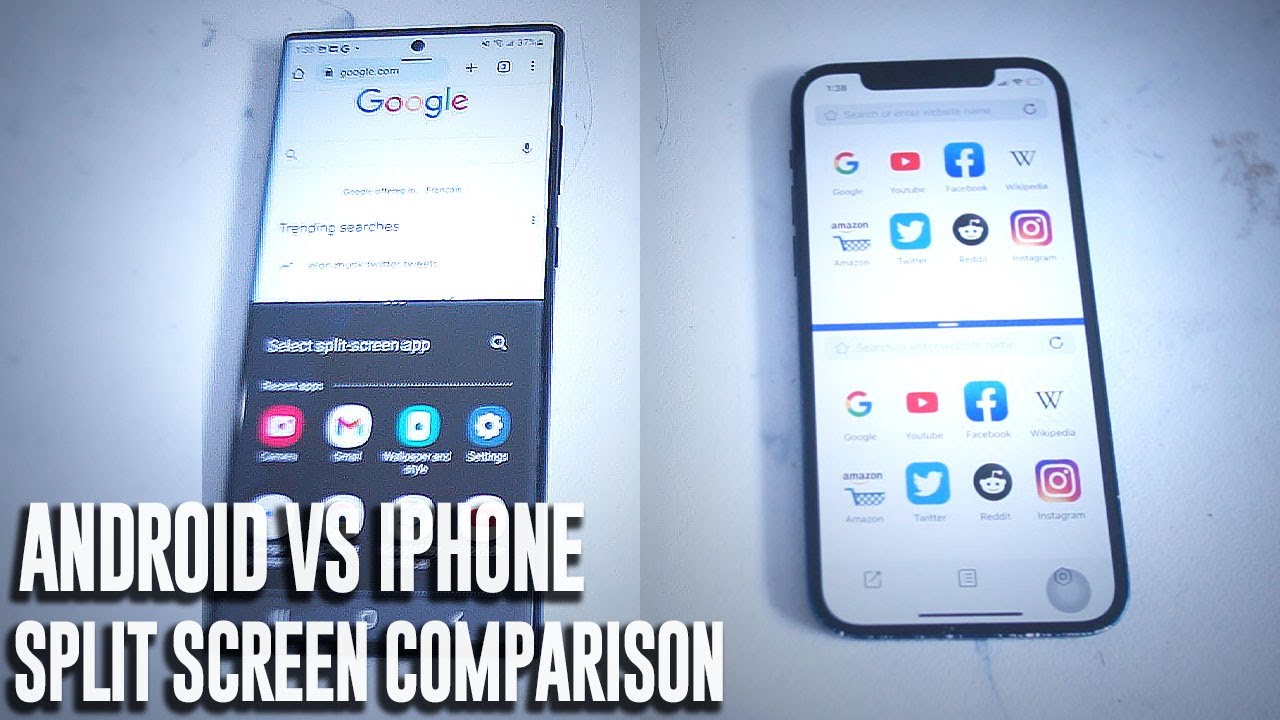
Not with a PWA. A Progressive Web App works on all devices through the browser and can be installed on both iPhone and Android home screens without going through app stores.